




















Pamukkale attractions
More things to do in the area
 #16
Kusadasi Castle
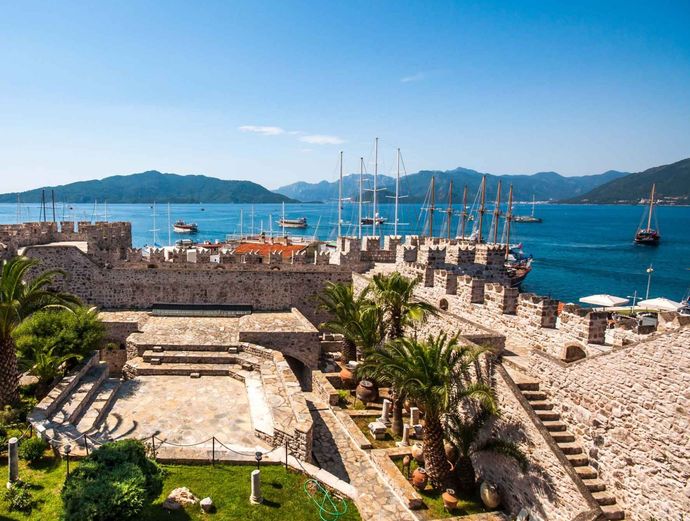
The castle stands on a small island linked to the mainland by a short breakwater, so you reach it on foot. Expect thick stone walls, a tower at the highest point, landscaped grounds and a small museum inside. Steps and uneven stone surfaces make strollers and wheelchairs hard to use, especially on the upper levels. A cafeteria and a restaurant operate on the island, and more cafes line the waterfront nearby. Much of the visit is outdoors with limited shade, so bring a hat and water in the warmer months.
 #17
 #18
 #19
Pamukkale Thermal Pools
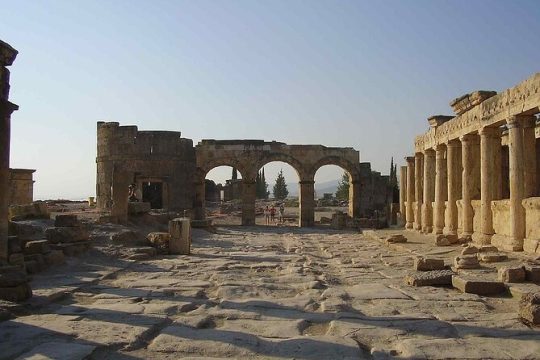
The site is in Denizli Province and combines the white travertine terraces with the ancient city of Hierapolis. Stay on the main paths and take your shoes off to walk on the calcium deposits, as the terraces are protected. The Antique Pool, also called Cleopatra's Pool, lets you swim among ancient stone remains, and the water stays around 97 F (36 C) all year, so bring a swimsuit. Allow time for Hierapolis too, with its ancient theater and the archaeological museum housed in the Roman baths.
 #20
Pigeon Valley (Güvercinlik Vadisi)
The trail runs about 4 kilometers between Uçhisar and Göreme, so plan on a couple of hours one way. Wear sturdy shoes and carry water, since this is a natural trail rather than a managed site. Stairs, wooden bridges and signs have been added along parts of the route in the national park, which helps with finding your way. Look for pigeon houses carved into the rock walls and a waterfall about 15 meters high, and keep an eye out for birds. The walk starts in one town and ends in another, so decide how you will get back before you set off.
 #21
 #22
St Mary's House
The house is a small chapel and an active place of prayer, so keep your voice low and dress modestly. Both Christian and Muslim pilgrims visit, and the shrine has a main room with an altar and a statue of Mary. Outside you will find a wishing wall where visitors tie paper or cloth wishes, and a fountain with spring water. Wear comfortable shoes, because you walk through the grounds and past a keyhole-shaped baptismal pool to reach the house.
 #23
Temple of Artemis
Only foundations and one re-erected column remain, so come for the history and the setting rather than for standing ruins. The site is open air and facilities are limited, so use the cafes and restrooms in Selçuk before or after your stop. Bring water and sun protection in the warm months, since the site is in the open. A stop here is short, so it pairs easily with the Ephesus ancient city and the Ephesus Archaeological Museum in Selçuk. Statues of Artemis are shown in the museum in Selçuk, which helps fill in the story of the temple.
 #24
Terrace Houses
The houses suit anyone curious about daily life in a Roman city, especially visitors who enjoy mosaics, wall paintings, and ancient architecture. Seven Roman residences were built into terraces on the slope of Mount Koressos and were homes of leading citizens of Ephesus. Rooms feature mosaic floors, marble-clad walls, frescoes, and underfloor heating, and audio guidance is available on site. Protective roofing covers the houses, so a visit works in many kinds of weather. The ticket office closes before the site itself does, so arrive with time to spare.
 #25
Uchisar Castle
The castle is a tall rock outcrop with a climb to the top, so it suits visitors who are comfortable with steps and uneven rock. Allow time at the summit for views over Goreme, Pigeon Valley, and on clear days Mount Erciyes. Most of the underground passages inside the rock are blocked, so the visit is about the climb and the view. Wear shoes with good grip, since the rock can be slippery in places. The climb is not practical for wheelchairs or strollers.
Discover Pamukkale

Air, Helicopter & Balloon Tours
Prices from $52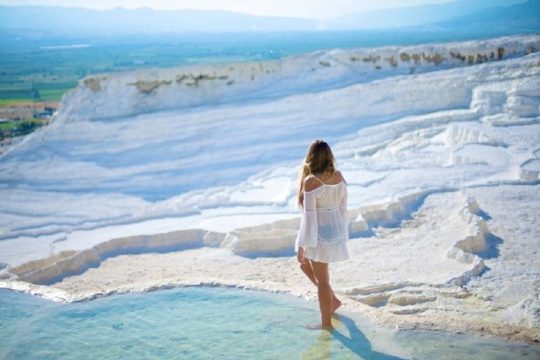
Cultural & Theme Tours
Prices from $31
Day Trips & Excursions
Prices from $31
Food, Wine & Nightlife
Prices from $140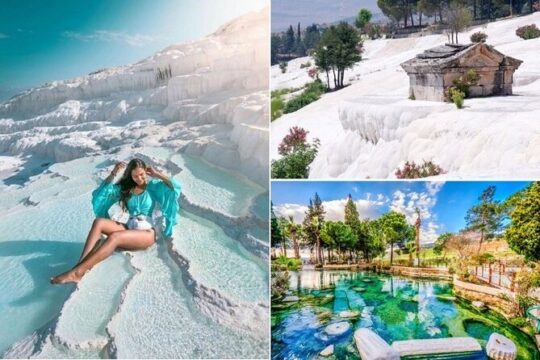
Luxury & Special Occasions
Prices from $19
Multi-day & Extended Tours
Prices from $753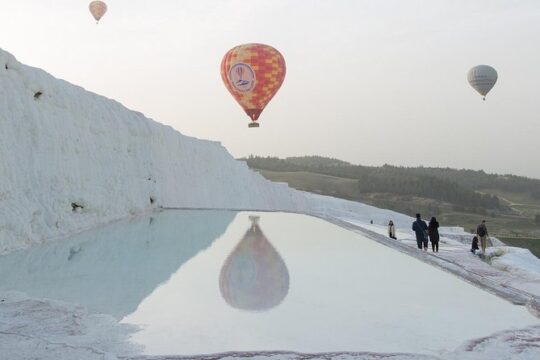
Outdoor Activities
Prices from $31
Private & Custom Tours
Prices from $31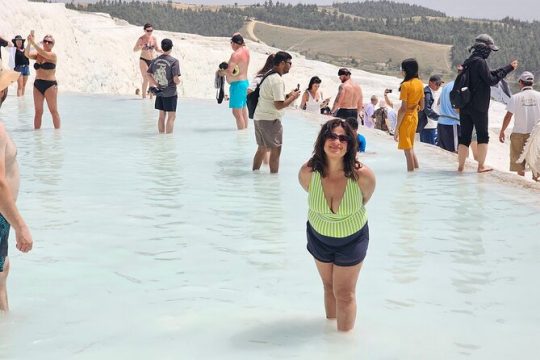
Shore Excursions
Prices from $150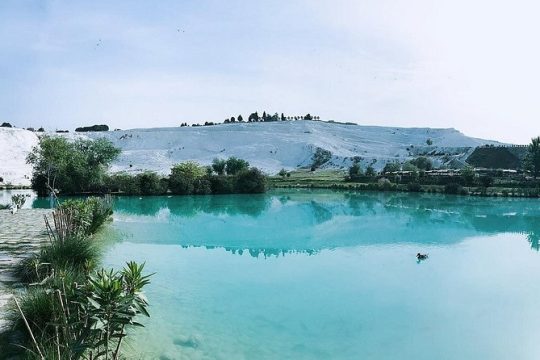
Spa Tours
Prices from $175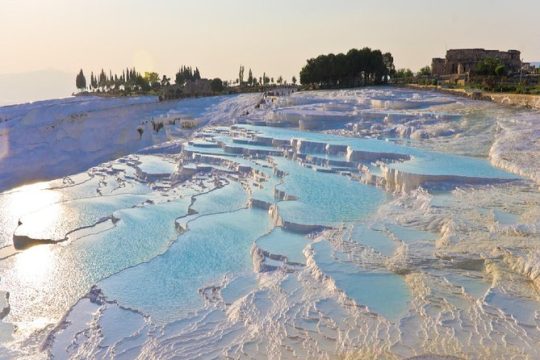
Tours & Sightseeing
Prices from $19
Transfers & Ground Transport
Prices from $285
Avanos
Prices from $507
Bodrum Amphitheater
Prices from $967
Bodrum Bazaar
Prices from $1,369
Bodrum Museum of Underwater Archaeology (Bodrum Sualti Arkeoloji Muzesi)
Prices from $967
Bodrum Windmills
Prices from $967
Castle of St Peter
Prices from $967
Devrent Valley (Devrent Vadisi)
Prices from $507
Didyma
Prices from $753
Ephesus (Efeze)
Prices from $753
Fairy Chimneys
Prices from $507
Goreme Open-Air Museum
Prices from $507
Göreme (Goreme)
Prices from $753Senior-friendly tours Pamukkale
Pamukkale Foodie Tours
Family-friendly Pamukkale Tours
The best tours and activities for culture lovers in Pamukkale
Top 10 Pamukkale 2026
Top Day Trips from Pamukkale

Things to do in Pamukkale this summer
Hanukkah in Pamukkale
New Year’s Eve in Pamukkale

New Year’s Day long weekend in Pamukkale
Valentine's Day in Pamukkale