















Norwegian Viva shore excursions


Pick your Norwegian Viva sailing to see the shore excursions for every stop.
Know before you go on Norwegian Viva
- Ship class
- NCL PRIMA-LEONARDO
- Length
- 965 ft (294 m)
- Beam
- 144 ft (44 m)
- Gross tonnage
- 143,535 GT
- Speed
- 22 knots
- Decks
- 20
- Builder
- Fincantieri (Marghera, Italy)
- Owner
- NCLH/Norwegian Cruise Line Holdings Ltd (via NCL BAHAMAS LTD)
- Former names
- Fincantieri Venice 6299
- Sister ships
- Norwegian Prima, Norwegian Aqua, Norwegian Luna, Norwegian Aura, NCL 2028
 Cruise line
(NCL) Norwegian Cruise Line
 Flag state
Bahamas
(294 m)

Norwegian Viva belongs to the line's Prima class, a ship for about 3,300 guests on 20 decks, sharing the design with Norwegian Prima, Norwegian Aqua, Norwegian Luna and Norwegian Aura. It divides its time between the Caribbean, sailing from Miami and Galveston, and the Mediterranean, where Norwegian Cruise Line sends it out from Barcelona, Civitavecchia for Rome, Ravenna and Istanbul. Week-long cruises lead the schedule, with shorter trips of three to five nights and longer nine- and ten-night voyages. In the Mediterranean the great sights often sit well inland from the port, so the length of your call shapes every choice.
Greek islands and Turkey
The Greek calls carry much of the appeal. From Piraeus, the Acropolis and the Plaka make the classic morning. Santorini is a tender port, and the cable car or the steep path up to Fira, followed by a drive to Oia, makes a long day of views. Mykonos is known for its windmills, Little Venice and beaches, while Rhodes has a walled medieval old town that is easy to explore on foot. Thessaloniki brings Byzantine churches and a lively waterfront, and Katakolon is the port for ancient Olympia. Kusadasi in Turkey is the gateway to Ephesus, one of the best preserved Roman cities in the Mediterranean. Istanbul, where some cruises begin, deserves an extra day for Hagia Sophia, the Blue Mosque and the Grand Bazaar.
Italy, France and the western Mediterranean
Livorno is the port for Florence and Pisa, and Civitavecchia for Rome, both long journeys inland that are best done with a guide and a fixed return time. Salerno leads to Pompeii and the Amalfi Coast, and Catania to Mount Etna and Taormina. Villefranche-sur-Mer is a pretty tender port for Nice, Eze and Monaco. Further west, Palma de Mallorca has its cathedral by the sea, and Motril is the port for Granada and the Alhambra. Valletta in Malta rises from its harbor with fortress walls and St John's Co-Cathedral. On the Adriatic and Ionian side, Dubrovnik, Split, Corfu and Bar in Montenegro round out the routes.
Caribbean weeks
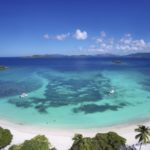
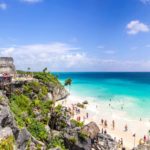
From Miami and Galveston, the Caribbean routes favor the western side: Cozumel, Costa Maya, Roatan and Harvest Caye in Belize, plus Nassau and Great Stirrup Cay. These days are simpler to plan than the Mediterranean ones, with beaches, reef snorkeling, Maya ruins and zip lines that fit comfortably into a few hours. Roatan has reef snorkeling close to shore at West Bay, and Costa Maya leads to the Maya site of Chacchoben. Families and first-timers will find plenty to do.
Planning around the clock
On this ship the choice is often between an easy port day and a big one. Match each tour to the all-aboard time, and check where it meets you near the pier or the tender landing. A private car and guide suits couples and families who want Florence or Rome at their own pace, while a coach tour works well for a first look. Return visitors often stay close to port instead, walking Rhodes, Valletta or Dubrovnik on their own and leaving the long drives to others.